
Dental Checkups in New Port Richey: Why Regular Visits Matter
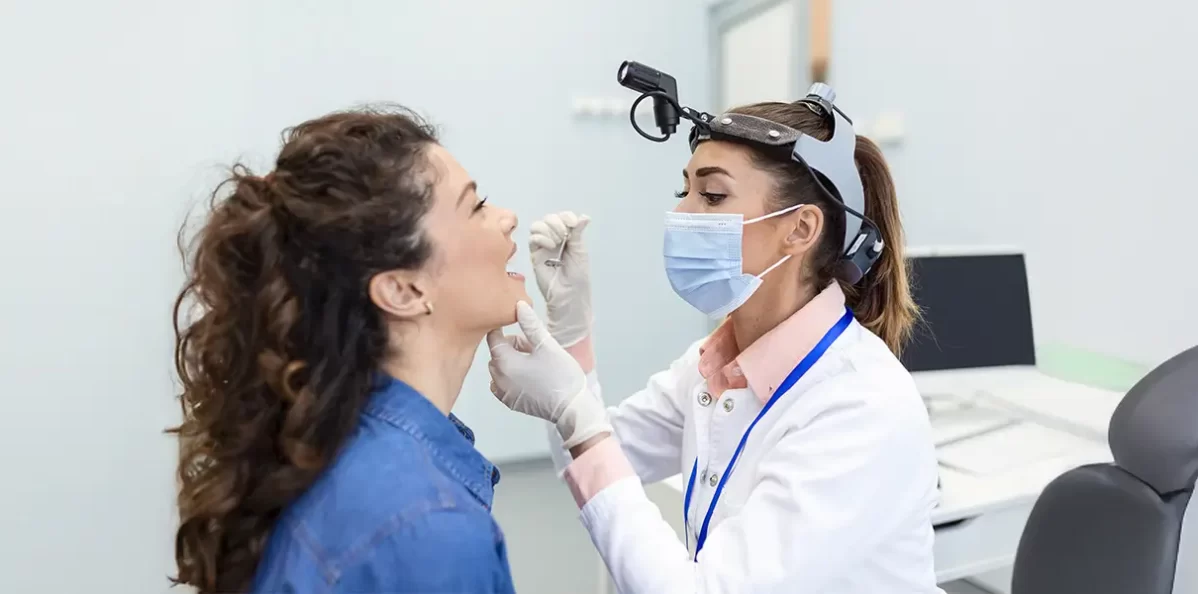
Dental problems do not always announce themselves with pain. Small cavities, early gum inflammation, and worn fillings can go unnoticed before causing discomfort. Regular checkups allow your dental team to examine these concerns, discuss your home-care routine, and recommend suitable next steps.
A regular checkup evaluates more than cavities by reviewing the teeth, gums, bite, and other oral tissues. The recommended visit schedule varies because each person’s oral health, medical history, age, and risk factors are different.
What Happens During a Dental Checkup?
The details of a visit depend on your needs and whether you are a new or returning patient. During a routine dental exam in New Port Richey, the dentist and dental team may:
- Examine the teeth for decay, cracks, wear, or damaged restorations
- Check the gums for redness, bleeding, recession, or periodontal concerns
- Assess whether the teeth make contact properly
- Look at the tongue, cheeks, and other oral tissues
- Review sensitivity, discomfort, dry mouth, or recent changes
- Determine whether X-rays or other diagnostic information are necessary
- Discuss home care and findings that require monitoring or treatment
The American Dental Association notes that a checkup may include an oral cancer screening and a decision about whether X-rays are clinically necessary. Not every patient needs the same procedures at every appointment.
Reviewing Your Dental and Medical History
Changes in your general health can influence your oral health and dental care. Health conditions, medications, allergies, pregnancy, tobacco or nicotine use, and previous dental treatment may affect care planning. That is why the dental team asks about developments since your last visit.
Be prepared to mention:
- New diagnoses, surgeries, or hospitalizations
- Prescription medicines, supplements, or dosage changes
- Bleeding, swelling, sensitivity, or persistent bad breath
- Jaw discomfort, clenching, or grinding
- Changes in eating, brushing, or flossing habits
- Dental treatment received at another office
Accurate information helps the dentist interpret examination findings and make recommendations suited to your circumstances. Bring a current medication list if you are unsure of any names or doses.
Catching Cavities Early and Monitoring Your Gums
Cavities can begin in areas that are difficult to see or clean, including between teeth and around existing restorations. Early decay may not hurt. A clinical examination may reveal signs of decay, while X-rays can show problems in areas that are not directly visible.
Bleeding, tenderness, recession, and changes in the spaces around teeth may indicate inflammation or periodontal concerns. Monitoring these findings over time helps the dentist determine whether improved home care, professional cleaning, or further evaluation is warranted.
This is the practical purpose of preventive dentistry in New Port Richey: reducing avoidable risks, recognizing concerns promptly, and supporting long-term dental health. Although checkups cannot prevent every problem, they allow concerns to be recognized and addressed before symptoms worsen.
Why You Shouldn’t Wait Until Your Teeth Hurt
Pain is an important warning sign, but it is not the only reason to see a dentist. Some cavities, gum problems, cracked restorations, and bite-related wear cause few noticeable symptoms at first. Delaying care until discomfort becomes severe may allow a manageable concern to become more complicated.
Request an evaluation for swelling, a broken tooth, ongoing bleeding, a persistent mouth sore, or pain when biting. Routine visits should continue even when everything feels normal because the absence of symptoms does not confirm the absence of disease.
Dental Checkups for Adults and Children
Dental needs change with age. Children require monitoring as their teeth erupt and their bites develop. Adults may need closer attention to restorations, gum health, dry mouth, tooth wear, or changes associated with medications and health conditions.
Choosing a family dentist in New Port Richey can make it easier for household members to maintain consistent care while receiving age-appropriate examinations. Recall intervals should reflect each person’s age, dental condition, and risk factors rather than follow one schedule for the entire family.
Dental Checkup vs. Dental Cleaning
A checkup and a cleaning serve different purposes. The dentist performs an examination to evaluate dental health and identify possible concerns. During a professional cleaning, a dental hygienist or dentist removes plaque and hardened tartar before polishing the tooth surfaces when indicated.
A dental cleaning in New Port Richey may be scheduled during the same appointment as an exam, but that depends on the patient’s condition and the type of cleaning required. Someone with signs of gum disease may need care that differs from a standard preventive cleaning.
Frequently Asked Questions
The visit generally includes a health-history review and an examination of the teeth, gums, bite, and oral tissues. The dentist may also recommend X-rays or discuss examination findings, preventive measures, and treatment needs.
Appointment length depends on your patient history and the need for X-rays, cleaning, or further assessment. Ask about the expected appointment length when scheduling.
Exams and cleanings are separate services, although they are often arranged during the same visit. Your dental team will explain what is planned and whether a different type of cleaning is needed.
No. Current ADA guidance states that X-rays should be prescribed according to dental and medical history, examination findings, age, and disease risk.
Some dental problems produce no pain during their early stages. Regular examinations allow a dentist to look for concerns that you may not be able to see or feel.
Yes, some cavities can be detected during an examination or on necessary dental images before symptoms develop. Detection depends on the cavity’s location, size, and the diagnostic information available.
Checkups alone cannot guarantee prevention. They allow the dental team to monitor bleeding, inflammation, recession, and other warning signs, while home hygiene and professional care remain essential.
Many children are seen about every six months, but the recommended interval depends on their development and risk of cavities or gum problems. The dentist should establish a schedule for the individual child.
A checkup evaluates dental health and identifies possible concerns. A cleaning removes plaque and tartar using a method suited to the patient’s gum health, and it may also reduce some external staining.
Keep Preventive Visits on Your Calendar
Regular examinations can help you understand your current dental health instead of waiting for discomfort to guide your decisions. Contact Orange Grove Dental to schedule an examination and discuss how often you should return based on your needs.